Enhance wireless communication with inbuilding wireless solutions
In-building wireless solutions are systems designed to enhance wireless communication within buildings. They are crucial for ensuring seamless connectivity in areas where traditional outdoor wireless systems may be limited or ineffective. In this article, we will discuss the importance of in-building wireless solutions and the different types available.
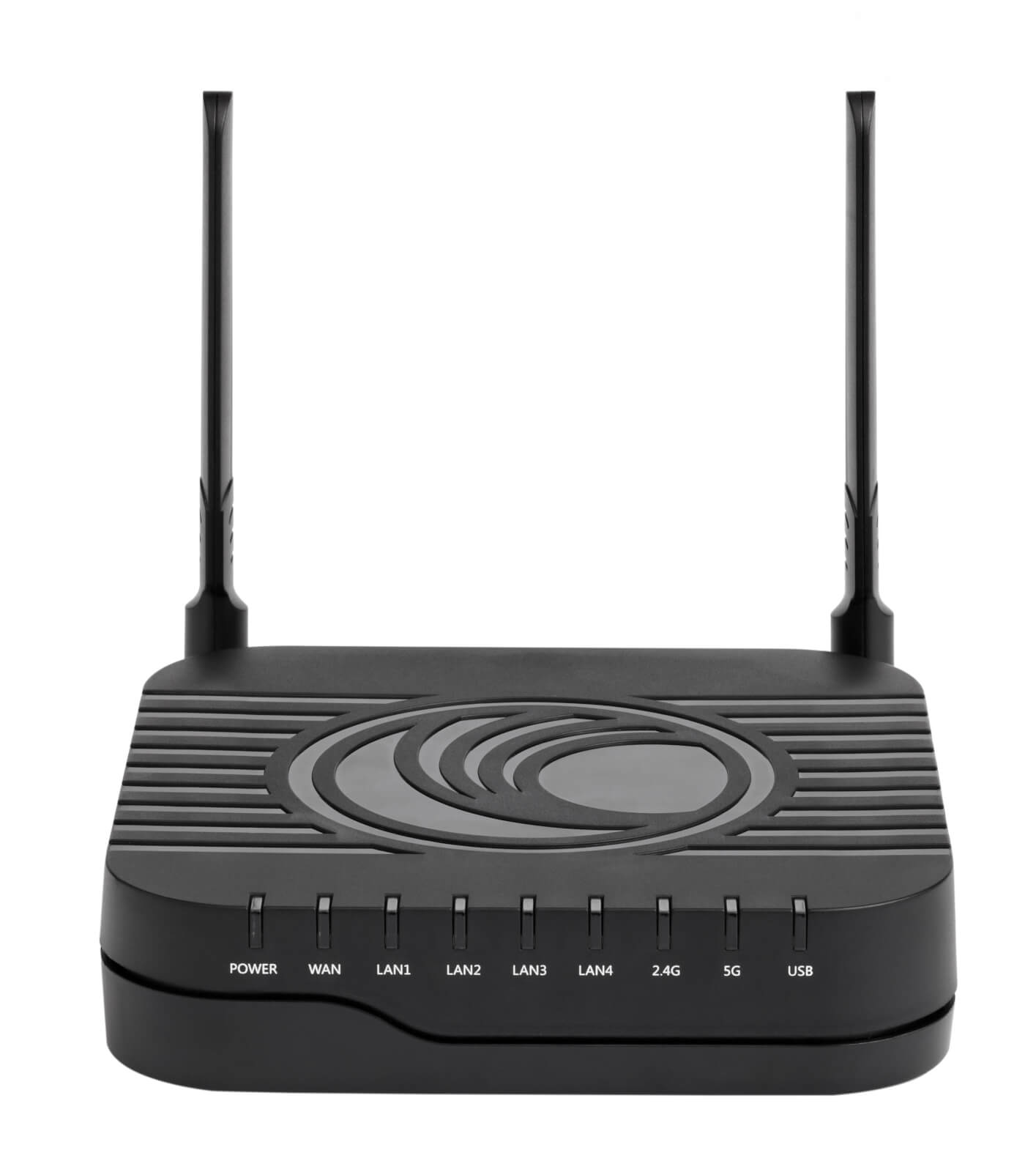
With the rapid growth of mobile devices and the increasing demand for high-speed internet connectivity, in-building wireless solutions have become a necessity. They are critical for supporting the seamless operation of various applications that require wireless communication, such as voice and data transfer, video streaming, and Internet of Things (IoT) devices.
Inbuilding Wireless Solutions are designed to provide reliable, high-speed wireless connectivity in indoor environments. These solutions can be customised to fit the specific needs of different types of buildings, including commercial buildings, hospitals, schools, hotels, and residential buildings.
There are different types of in-building wireless solutions available, including distributed antenna systems (DAS), small cell networks, and Wi-Fi. Each solution has its unique features, advantages, and disadvantages.
Distributed Antenna Systems (DAS) are a network of antennas that are connected to a central hub. The antennas are placed strategically throughout the building, allowing for better coverage and signal strength. DAS can support multiple wireless carriers, making it an ideal solution for large commercial buildings.
Small cell networks, on the other hand, use low-powered base stations to enhance wireless coverage in buildings. Small cell networks are best suited for small to medium-sized buildings, and they are ideal for areas with weak signal strength.
Wi-Fi is perhaps the most commonly used in-building wireless solution. It is easy to deploy, cost-effective, and offers high-speed internet connectivity. Wi-Fi is ideal for supporting applications that require high bandwidth, such as video conferencing and streaming.
The benefits of in-building wireless solutions cannot be overemphasised. They help to improve productivity, enhance safety, and increase the value of the building. With in-building wireless solutions, people can stay connected with their colleagues, customers, and loved ones, regardless of where they are in the building.
In-building wireless solutions are also important for emergency response teams. They help to improve the response time in emergencies by ensuring seamless communication between first responders and other stakeholders.
In conclusion, in-building wireless solutions are crucial for ensuring seamless wireless connectivity in indoor environments. They help to improve productivity, enhance safety, and increase the value of buildings. There are different types of in-building wireless solutions available, including distributed antenna systems (DAS), small cell networks, and Wi-Fi. Each solution has its unique features, advantages, and disadvantages and can be customised to fit the specific needs of different types of buildings.
For More Info:- 5g Wireless Router Wifi


Comments
Post a Comment